The Aviation Staffing Challenge in 2026 and How Flight Crew International Is Helping Airlines Stay Ahead
The global aviation industry is flying high again, but behind the scenes, staffing remains one of the biggest challenges airlines and operators face in 2026.
As fleets grow and routes expand, the demand for experienced pilots and cabin crew continues to outpace supply. Retirements, training bottlenecks, and post-pandemic career shifts have created a competitive market where qualified crew are in short supply. For airlines, even a small staffing gap can quickly impact schedules, costs, and operational reliability.
This is why aviation staffing has become a strategic priority rather than a short-term hiring exercise.
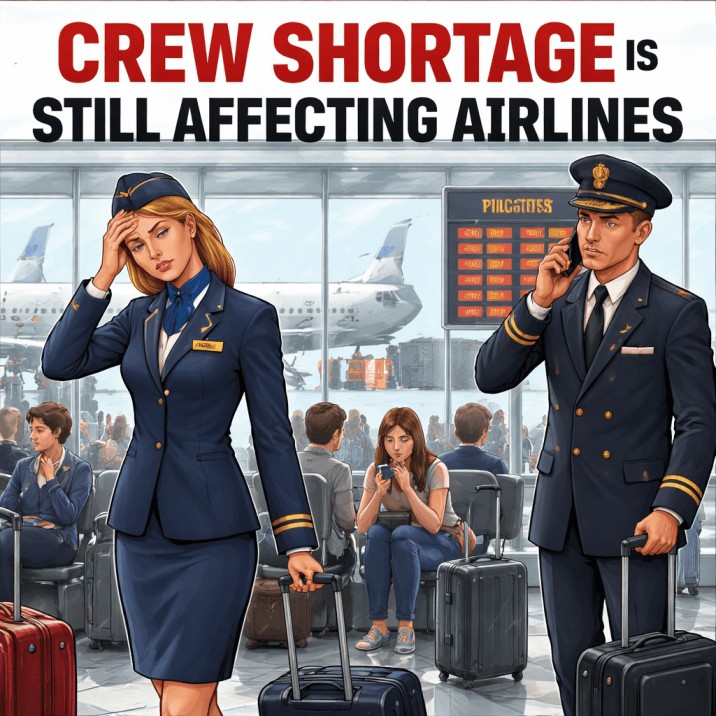
Why the Crew Shortage Is Still Affecting Airlines
Despite increased recruitment efforts worldwide, the aviation staffing gap remains very real.
Many experienced pilots and cabin crew are reaching retirement age, while the pipeline of newly trained professionals is not growing fast enough to replace them. At the same time, airlines must meet strict regulatory and operational requirements, which means hiring decisions cannot be rushed or compromised.
Operators that rely on last-minute recruitment often face:
- Delays and cancellations
- Increased crew fatigue
- Higher operational costs
- Pressure on safety and compliance teams
This has led airlines to rethink how they source and manage flight crew, focusing more on long-term partnerships rather than reactive hiring.
How Flight Crew International Supports Flexible Staffing Needs
To stay ahead of staffing challenges, airlines are increasingly turning to flexible crew models that allow them to scale operations without long-term risk.
Flight Crew International supports airlines through:
- Contract pilot and cabin crew placements
- Crew leasing for short-term and seasonal needs
- Access to a global, aviation-specific talent pool
- Pre-screened, compliant, and ready-to-fly professionals
These solutions help airlines maintain operational continuity while adapting quickly to changing market conditions.
For flight crew, this approach also opens doors to international opportunities, varied aircraft experience, and clear career progression without being tied to a single long-term commitment.
Building Stronger Crew Partnerships for the Future
Successful staffing in 2026 is not just about filling seats in the cockpit or cabin. It is about building reliable, long-term relationships between airlines and crew.
Flight Crew International takes a hands-on approach to recruitment by assessing:
- Aircraft and operational experience
- Availability and deployment timelines
- Regulatory compliance and documentation
- Long-term suitability for the airline’s operation
This ensures that both airlines and crew benefit from placements that are operationally sound and professionally rewarding.
Airlines looking to strengthen their staffing strategy can rely on FCI as a trusted aviation recruitment partner with global reach and industry expertise.
Preparing for What Comes Next
The aviation staffing challenge is unlikely to disappear overnight. However, airlines that plan ahead and invest in flexible, reliable crew sourcing will be better positioned to manage growth and disruption alike.
With its aviation-only focus, global network, and proven recruitment processes, Flight Crew International continues to help airlines stay ahead of staffing challenges in an increasingly competitive market. Because in aviation, the people behind the operation matter just as much as the aircraft.